How to Choose Plants That Survive Arcadia’s Heat and Drought
Arcadia gardens live under a very specific kind of pressure. Summer heat reflects off stucco walls, driveways, and block fences. Winter rain can be generous one year and disappointing the next. Many homeowners want a lush yard, but they also want to make smart decisions about water use, maintenance, and long-term value. That tension shapes nearly every successful landscape in the San Gabriel Valley.
If you have ever watched a nursery plant look perfect in May and half-dead by late August, you already know the core problem. A plant can be beautiful, widely available, and still completely wrong for Arcadia. Choosing plants that survive here takes more than reading a tag. You have to think about heat exposure, irrigation style, soil drainage, reflected sun, root space, and how much attention the yard will actually get after installation.
That is why drought-tolerant landscaping for Southern California works best when it starts with plant selection, not decoration. The patio furniture, gravel color, and lighting matter later. The first job is building a planting palette that can take prolonged heat, periodic drought, and the practical realities of local residential life.
Arcadia’s climate is not just “hot and dry”
People often talk about Southern California as if every city shares the same growing conditions. In practice, Arcadia has its own landscape challenges. Summer temperatures regularly climb into the 90s and can move well above 100 during heat waves. Some neighborhoods trap warmth because of surrounding hardscape and limited tree canopy. A west-facing side yard can feel like an oven by midafternoon, while a shaded front courtyard a few feet away behaves like a different climate zone entirely.
The larger issue is not a single hot day. It is the cumulative stress from repeated heat, low humidity, inconsistent rainfall, and irrigation habits that are either too shallow or too infrequent. Plants weaken over time. Leaves scorch. Root systems stay close to the surface. Pests find stressed shrubs faster than healthy ones.
That is why water-wise landscape design ideas have to go beyond “use less water.” The better question is how to use water where it matters most, with plants that can respond well to deep, efficient irrigation instead of constant rescue watering. California homeowners are especially conscious of this now, and for good reason. Outdoor irrigation is often the biggest controllable source of household water use.
Start with microclimates, not plant names
When homeowners ask what survives Arcadia’s heat, they usually want a simple list of reliable plants. Lists are helpful, but they can also mislead. The same species that thrives near a shaded entry can fail against a south-facing wall. Before choosing a single plant, map the yard in practical terms.
Watch where the sun lands in late afternoon. Notice where runoff collects after a storm or after irrigation. Look for places where roof overhangs keep soil dry. Stand next to masonry walls and note how much heat they store. In larger properties, the front and back yards often have very different exposure and wind patterns.
This site reading matters more than most people expect. I have seen homeowners replace plants two or three times because they kept buying for style rather than placement. One Arcadia backyard had a row of hydrangeas along a reflective wall near the pool. They looked fresh for a few weeks each spring, then cooked through summer despite frequent watering. The problem was not effort. The problem was that the planting choice fought the site every day.
A much better approach is to divide the yard into use zones and stress zones. Where do people gather? Where is the hottest exposure? Which areas need to look polished from the street year-round? Which spaces can lean more natural? That framework makes it much easier to match plants to reality.
What strong plant choices usually have in common
Plants that do well in Arcadia are not necessarily desert plants in the stereotypical sense. Many successful choices still feel soft, layered, and refined. The common denominator is resilience. They tend to handle radiant heat, recover from dry cycles, and perform without constant pruning or heavy feeding.
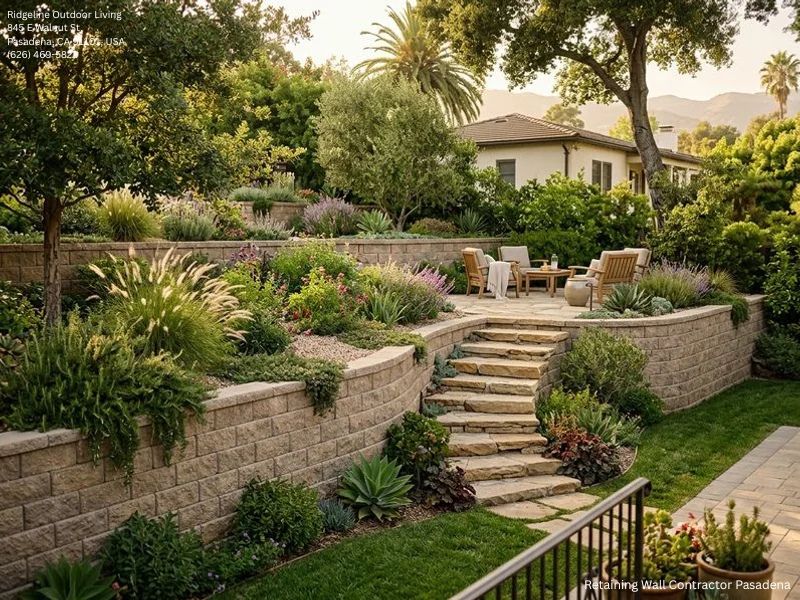
In real projects, the best performers usually share several traits:
- Deep or adaptable root systems that respond well to infrequent, deep watering
- Foliage that resists scorch, whether through smaller leaves, gray-green surfaces, or naturally leathery texture
- Growth habits that fit the space without monthly shearing
- Tolerance for Southern California’s alkaline tendencies and variable soils
- Year-round structure, so the garden still looks intentional during stressful weather
That last point gets overlooked. A drought-tolerant landscape should not look like a compromise. Some of the strongest modern landscape design inspiration for Arcadia homes comes from gardens that use sculptural, climate-appropriate plants with real architectural presence. When the planting design is disciplined, a water-wise yard can look more upscale than a thirsty one.
Native and climate-adapted plants often outperform the popular favorites
Native California plants that thrive in Arcadia deserve serious consideration, especially for best landscape contractors Arcadia homeowners who want lower water use and habitat value. They are not the only answer, but they are often among the most reliable when used thoughtfully. The key phrase is “used thoughtfully.” Some California natives dislike summer irrigation once established, especially if they are planted with thirstier ornamentals. Mixing everything onto one valve is one of the most common landscaping mistakes homeowners make in Arcadia.
Plants such as ceanothus, manzanita, Cleveland sage, white sage, California lilac, and certain varieties of toyon or coffeeberry can perform beautifully in the right conditions. They bring texture, fragrance, and seasonal interest, but they need the correct exposure and drainage. A manzanita in heavy, poorly drained soil is a gamble. A sage planted where overspray from the lawn hits it daily usually declines.
Climate-adapted plants from Mediterranean regions, Australia, and South Africa also do very well in Southern California. This is where many elegant, durable landscapes find their balance. Lavender, rosemary, westringia, lomandra, society garlic, aloe, agave, kangaroo paw, and certain grevilleas can offer a polished look with reasonable water demand. Ornamental grasses such as deer grass or muhly add movement without the thirst of traditional turf-based borders.
The point is not to build a collector’s garden. It is to create a coherent plant community. When plants share similar water and exposure needs, the irrigation can be more precise, maintenance becomes more predictable, and the whole yard looks healthier.
Lawn is usually the hungriest part of the landscape
If you are trying to reduce outdoor water consumption, turf deserves a hard look. In Arcadia, traditional lawns often consume more water and maintenance than homeowners expect, especially in full sun. They also tend to create a hidden design problem. Once a large lawn dominates the yard, people feel obligated to water the whole landscape around that lawn’s needs.
That landscaping guide does not mean every property should eliminate grass. Families with young children, pets, or active entertaining spaces may still want a functional green surface. But it is worth being selective. A smaller, purposeful lawn often performs better than a large decorative one. In many complete backyard makeover inspiration projects, reducing lawn area is the move that unlocks everything else, better planting, cleaner irrigation zoning, and more usable outdoor living.
For luxury outdoor living spaces in Arcadia, I often see the most successful designs use lawn only where it earns its keep. Elsewhere, layered planting, decomposed granite paths, broad mulch beds, and shaded seating areas create a richer and less water-intensive experience. That is a practical example of xeriscaping for California homes done with refinement rather than austerity.
Choose plants by role inside the design
A durable landscape is not just a collection of survivors. It needs structure, softness, seasonal color, and scale. Thinking in roles helps homeowners avoid overplanting or relying too heavily on one category.
Every yard needs anchor plants. These are the shrubs, small trees, or sculptural forms that hold the design together through heat and seasonal change. In Arcadia, that might include olive trees, strawberry tree in the right placement, certain desert museum palo verde situations, or carefully sited crape myrtles if summer color is important and irrigation is appropriate. Shrub anchors might be larger westringia, compact pittosporum alternatives where suitable, or massed native shrubs with enough room to mature naturally.
Then you need mounding and connective plants, the material that fills space, softens edges, and ties larger elements together. This is where lavenders, sages, lomandra, rosemary, dwarf coyote brush, and similar plants shine. Groundcovers can reduce exposed soil and suppress weeds, but they should still be chosen for heat tolerance and restrained water use. Too many homeowners use thirsty groundcovers because they want instant fullness, then spend years fighting overgrowth.
Accent plants come last. Agaves, aloes, cycads in protected settings, yuccas, and distinctive grasses can punctuate the design and create the sort of before and after landscape transformation ideas people respond to immediately. A few well-placed accents can do more than a dozen random flowering plants.
Bigger plants are not always the safer investment
One of the most expensive assumptions in residential landscaping is that a larger nursery plant gives you a head start. Sometimes it does. Often it does not.
Large container stock can struggle if the root system is circling, stressed, or poorly established after transplanting. In hot weather, a smaller but healthier plant frequently catches up faster because it adapts to site conditions earlier. This comes up often during planning a complete backyard renovation in Arcadia. Homeowners want instant impact, especially after hardscape work, but overspending on oversized plant material does not guarantee success.
A balanced approach usually works best. Invest in a few larger structural plants where scale matters right away, then use smaller sizes for fillers and secondary shrubs. Within two or three growing seasons, the garden often looks more natural than one planted entirely with oversized nursery stock. It also reduces transplant shock and can improve long-term performance.
Irrigation and plant choice are inseparable
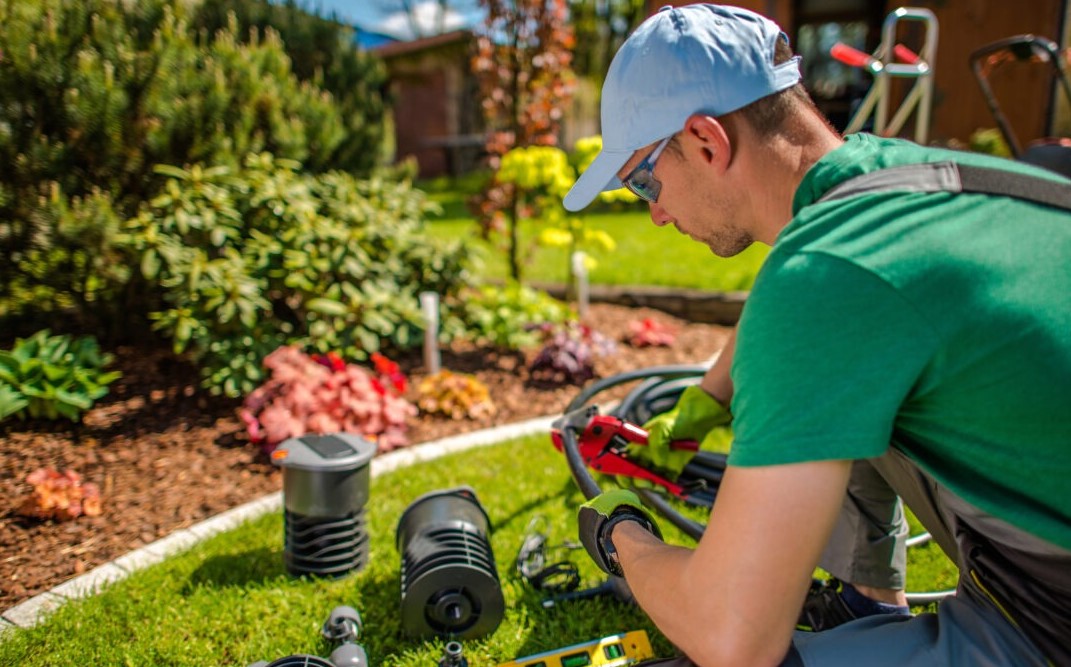
No plant survives Arcadia’s climate on selection alone. Irrigation strategy either supports the planting plan or slowly undermines it. Drip irrigation is often the right choice for shrubs, natives, and many low-water plantings, but only if it is designed and maintained correctly. A clogged emitter or poorly spaced line can leave parts of a root zone dry while giving the illusion of adequate coverage.
Spray irrigation tends to waste water in planting beds, especially in wind or near hardscape. It can also encourage shallow roots if run too frequently. Deep, infrequent watering generally builds tougher plants, but timing matters. Newly installed landscapes need closer monitoring during establishment. Even drought-tolerant plants need regular water while roots expand into surrounding soil.
When homeowners ask what to expect during a landscaping project in Arcadia, I tell them the first year is less about perfection and more about observation. You are watching how the yard responds. Which beds dry out faster than expected? Which plants show stress first? Where is the mulch too thin? That first year often tells you more than a plant tag ever will.
Soil preparation matters, but over-amending can backfire
Arcadia soils vary. Some properties have compacted areas from old construction or decades of foot traffic. Others drain surprisingly well. It is tempting to throw a rich planting mix into every hole and hope for the best. That can create a bathtub effect, where water collects around roots rather than moving naturally into surrounding soil.
For many drought-tolerant and native-adjacent plantings, moderate soil preparation is enough. Break compaction, improve structure where needed, and focus on broad bed preparation rather than creating isolated pockets of amended soil. The goal is for roots to move outward, not stay in a pampered container-shaped zone.
This is also where choosing the right mulch for dry climates makes a visible difference. Organic mulch helps regulate soil temperature, reduce evaporation, and suppress weeds. In Arcadia heat, exposed soil can bake quickly. Two to three inches of mulch, kept away from the crown of the plant, can significantly improve moisture retention. Gravel has its place, especially in more contemporary designs, but it stores and reflects heat differently. In high-exposure areas, that can intensify stress unless the plant palette is selected for it.
Some common failures have nothing to do with drought tolerance
A surprising number of failed landscapes are not caused by insufficient water but by poor spacing, bad pruning habits, and incompatible groupings. Homeowners often buy plants based on how full they look in a nursery pot, then install them too close together for the mature size. At first, the bed looks lush. Two years later, airflow is poor, maintenance is constant, and irrigation efficiency drops because plants compete too aggressively.
Another common problem is formal shearing. Shrubs that should have a natural habit get clipped into boxes or balls every few weeks. This creates weak outer growth, woody interiors, and higher water demand. It also erases the texture that makes water-wise landscapes appealing in the first place.
If you are considering how to increase property value with landscaping in Arcadia, restraint is usually more valuable than excess. Buyers and appraisers respond to a landscape that looks established, intentional, and manageable. They are less impressed by a yard that appears expensive but fragile. A well-designed low-maintenance landscaping plan reads as an asset because it promises beauty without constant intervention.
A realistic plant palette for Arcadia
There is no single universal list, but a practical Arcadia palette often pulls from several dependable groups. Mediterranean shrubs offer form and fragrance. California natives contribute habitat value and seasonal character. Architectural succulents create structure in hot exposures. Tough ornamental grasses soften edges and pair well with both contemporary and traditional homes.
If you want a quick screening layer, look at plants that can take sun and occasional deep watering without constant clipping. For foundation planting, favor compact shrubs that hold shape naturally. For color, lean toward plants that bloom without demanding high irrigation, such as salvias, gaura, kangaroo paw in the right setting, and selected penstemons. For shade transitions, use species that tolerate dry shade once established rather than forcing sun plants into weak light.
The right combination depends on architecture too. A Spanish-style home can carry more aromatic Mediterranean planting and gravel court detailing. A contemporary house often pairs beautifully with massed grasses, sculptural succulents, and restrained evergreen structure. That is where outdoor living ideas for Southern California properties intersect with plant survival. The best yards do not treat planting as an afterthought. Plants are part of the architecture of outdoor living.
Renovation is often the smarter route than constant patching
Many Arcadia homeowners spend years replacing dead plants one section at a time. A shrub fails, so they swap it. The irrigation underperforms, so they add water. The lawn browns out, so they reseed. Over time, the yard becomes a patchwork of mismatched materials and conflicting water needs.
At a certain point, a full reset is cheaper and more effective. Planning a complete backyard renovation in Arcadia gives you a chance to correct slope, drainage, irrigation zoning, hardscape heat reflection, and plant compatibility all at once. It also allows better integration of seating, shade, cooking areas, and circulation paths. That is how complete backyard makeover inspiration turns into something durable rather than cosmetic.
If you go that route, choosing a landscaping contractor in Arcadia becomes especially important. A good contractor or design-build team should ask hard questions about exposure, water goals, maintenance tolerance, and how the yard will actually be used. If the conversation is only about plant names or decorative finishes, something is missing. Plant survival is tied to grading, irrigation, and installation quality just as much as aesthetics.
What to look for during plant selection at the nursery
Even the right species can fail if the individual plant is poor quality. When selecting nursery stock, check the root flare if possible. Look for plants that are evenly branched, free of significant pest damage, and not rootbound to the point of severe circling. Avoid specimens with weak, stretched growth that suggests they were pushed in shade or overfertilized.
Pay attention to the leaves. Mild cosmetic issues are not unusual, but heavy spotting, widespread yellowing, or collapsed interior growth can indicate stress. For shrubs and perennials, I often prefer a sturdy one-gallon or five-gallon plant over a larger specimen that looks overgrown for its container. The healthier root system usually wins over time.
This is also the moment to ask practical questions, not just aesthetic ones. How large does it get in local conditions, not idealized catalog conditions? Does it resent summer water once established? Does it need excellent drainage? Will it burn near reflected heat? Good growers and honest contractors will answer those questions directly.
The strongest landscapes feel comfortable in their climate
The most successful Arcadia gardens do not chase a look borrowed from a cooler, wetter region. They embrace the light, heat, and seasonality of Southern California. That does not mean settling for sparse or severe design. It means choosing plants that can look graceful under local conditions instead of constantly being defended against them.
A landscape built this way ages better. Maintenance costs tend to be lower. Water use becomes more predictable. The yard looks settled rather than strained. You stop spending weekends replacing underperformers and start enjoying the space, whether that means quiet mornings on the patio, family gatherings by the pool, or simply a front yard that looks sharp through August.
For homeowners thinking about before and after landscape transformation ideas, this is often the biggest shift in mindset. Beauty in Arcadia does not come from forcing the landscape to behave like somewhere else. It comes from selecting plants that belong here, then arranging them with enough discipline and imagination that the garden feels generous even in a dry climate.
That is the real standard for plant choice in Arcadia. Not whether a plant can survive with heroic effort, but whether it can thrive with sensible water, sensible maintenance, and a design that respects the place.